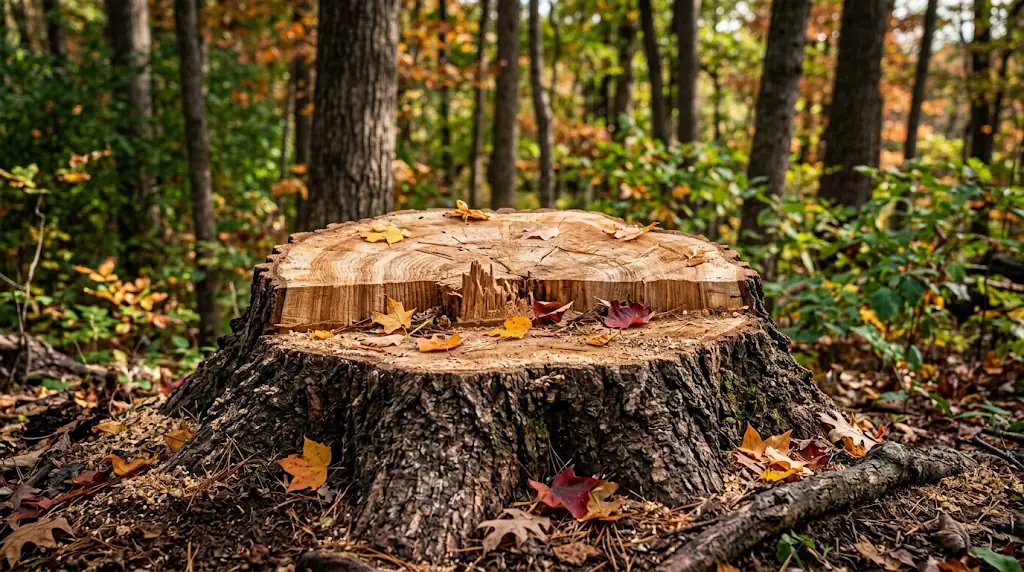
The best time of year to remove a tree in Central Indiana is during the dormant winter season, specifically from January through March. During these months, the frozen ground minimizes lawn damage from heavy machinery, bare canopies reduce overall branch weight and wind resistance, and fungal pathogens like oak wilt are completely inactive.
While hazardous or storm-damaged trees demand immediate emergency extraction regardless of the date on the calendar, planned removals benefit significantly from seasonal timing. Understanding how Indiana weather patterns, tree biology, and equipment logistics interact throughout the year helps Carmel homeowners save money, safeguard their landscaping, and prevent the spread of lethal plant diseases.
Central Indiana Tree Removal: Season-by-Season Comparison
Every season brings distinct operational advantages and practical hurdles for tree felling, rigging, and property cleanup in Hamilton County.
| Season | Operational Conditions | Property & Lawn Impact | Contractor Pricing & Availability | Pathogen / Disease Risk |
| Winter (Jan – Mar) | Optimal. Frozen soil, no foliage, clear visibility. | Minimal. Firm ground prevents deep wheel ruts. | Lowest rates; fast, flexible scheduling. | Zero. Fungi and sap-feeding beetles are dormant. |
| Spring (Apr – Jun) | Poor. Saturated soil, high winds, rapid leaf-out. | Severe. Heavy equipment leaves deep tire trenches. | Standard rates; emergency storm surges. | Highest. Peak transmission for Oak Wilt & Dutch Elm Disease. |
| Summer (Jul – Aug) | Fair. Dry ground, but full, heavy foliage canopies. | Moderate. Heat stress makes dry turf brittle. | Peak season rates; long booking backlogs. | Moderate to high for open vascular wounds. |
| Fall (Sep – Nov) | Good. Decreasing sap flow, dropping leaves, dry turf. | Low to Moderate. Firm ground prior to late freeze. | Moderate rates; busy pre-winter pruning rush. | Low. Insect activity drops sharply after hard freeze. |
4 Reasons Winter (Dormant Season) Is the Best Time to Remove a Tree
Scheduling non-emergency tree removal during a Central Indiana winter provides measurable physical and financial advantages.
1. Frozen Ground Shields Your Yard
Removing a mature hardwood—such as a 70-foot white oak or sugar maple—requires heavy machinery, including knuckle-boom cranes, mini-skid steers, and commercial chipper trucks.
- In spring, Carmel’s clay-dense soils hold excessive water, turning turf into mud pits that tear up under heavy wheels.
- In mid-winter, temperatures consistently drop below freezing, hardening the topsoil. This allows tracked machinery and loaders to haul tons of timber across your lawn with minimal turf compaction or sod damage.
2. Leafless Canopies Improve Rigging Safety and Speed
Deciduous trees shed their leaves by late November. Without dense summer foliage:
- Arborists have unobstructed visual lines into the canopy, making it easy to identify structural cracks, hollow crotches, and dead branches (“widow-makers”).
- Limbs weigh 20% to 30% less without moisture-rich foliage, placing lower dynamic loads on lowering ropes and rigging blocks.
- Dropping leafless limbs creates far less brush volume, which cuts down chipping hours and hauling fees.
3. Complete Defense Against Lethal Fungal Pathogens
Cutting or pruning live trees during the growing season creates open vascular wounds that emit volatile sap odors. In Central Indiana, these scents attract nitidulid beetles, which carry spores of Oak Wilt (Ceratocystis fagacearum).
According to horticulture guidance from Purdue University Extension, oak trees should never be pruned or wounded between April and mid-July. Taking down problem oaks or adjacent trees during deep winter dormancy eliminates the risk of attracting vectors that transmit wilt to prized neighboring hardwoods.
4. Better Contractor Pricing and Schedule Openings
Spring and summer represent the peak season for tree care companies, driven by thunderstorm cleanup and residential landscaping demand. During the winter lull:
- Tree services frequently offer competitive off-season rates to keep their experienced full-time climbers and equipment operators working.
- Permit approvals from neighborhood architectural review boards (such as in Brookshire, Delaware Trace, or the Village of WestClay) process faster during the winter construction slump.
When You Cannot Wait: Signs of an Immediate Hazard
While winter is the ideal scheduled window, dead and structurally compromised trees do not always wait for January. Structural defects must be resolved immediately to prevent structural destruction or personal injury.
Call for professional removal right away if you observe:
- Severe Root Plate Heaving: Freshly lifted soil or exposed broken anchor roots on the windward side of the trunk after a storm.
- Open Structural Cavities with Shelf Fungi: Large hollows hosting bracket fungi (conks) at the root collar, indicating advanced internal heartwood decay.
- Canopy Splits: Vertical fissure cracks extending through major branch unions or down the main trunk stem.
- Proximity to Power Infrastructure: Limbs bowing or leaning within reach of primary electric service drops. Duke Energy and certified utility clearance crews must address these hazards immediately.
Local Landscape Considerations for Carmel Residents
Central Indiana’s microclimates and municipal requirements dictate specific project prep:
- Central Indiana Freeze-Thaw Cycles: Carmel frequently experiences winter thaw periods where temperatures briefly spike above 45°F before plunging back down. Experienced tree contractors track local ground-freeze conditions to ensure equipment operates only when the soil is completely firm.
- Subsurface Utility Marking: Felling can happen on frozen ground, but stump grinding still requires contacting Indiana 811. State law requires two full working days’ notice prior to subsurface grinding, regardless of the season.
- Carmel Urban Canopy Guidelines: If you are removing a street tree situated in the municipal right-of-way between the curb and sidewalk, coordinate with the Carmel Urban Forestry Division. The city maintains strict seasonal urban forestry standards and must approve right-of-way maintenance before work starts.
Schedule Winter Tree Removal With Carmel Professionals
Taking down a large tree during the dormant season protects your lawn, prevents seasonal tree diseases, and ensures the lowest seasonal project pricing. Always ensure your tree contractor maintains comprehensive commercial general liability insurance and workers’ compensation coverage to protect your real estate investment.
To assess your property and lock in competitive off-season pricing for tree removal, connect with Carmel Tree Removal via our Contact Page today to book an on-site consultation.